




The allure of gambling: Why people play
The psychology behind casino gaming is deeply rooted in the human experience. One of the primary reasons people enjoy gambling is the thrill and excitement associated with the potential for winning. The randomness of games like slots, poker, and roulette creates an adrenaline rush that is hard to resist. This excitement often leads players to chase the high of a big win, which can leave a lasting impression on their psyche, prompting them to return to the casino in hopes of recreating that experience. At the same time, there are many excellent offshore books that offer strategies and insights into maximizing their chances of success.
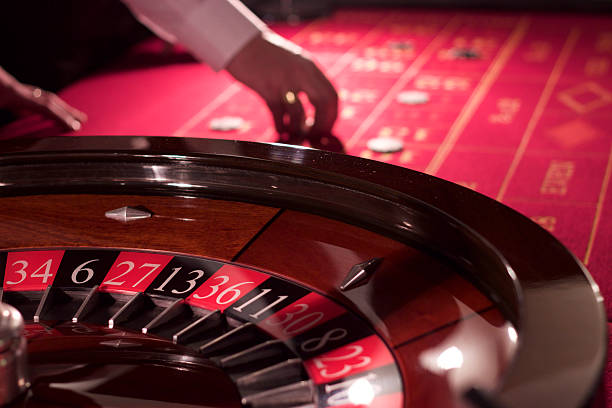
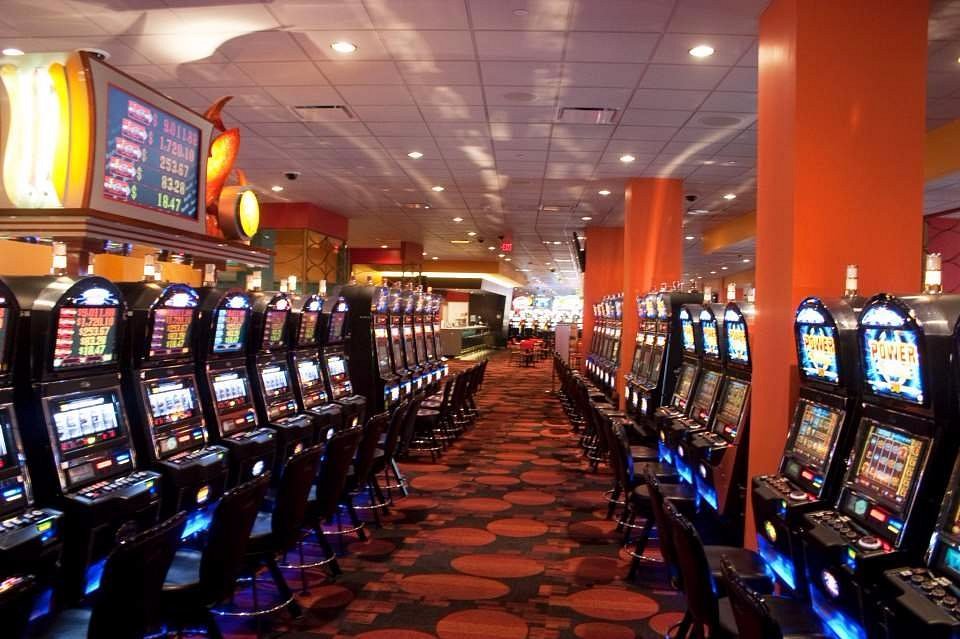
Another significant factor is the escape that gambling provides. For many individuals, casinos serve as a form of entertainment and a way to temporarily escape the pressures of everyday life. The immersive environments, coined as the “Las Vegas effect,” are designed to distract players from the outside world, enhancing their focus on the game and the possibility of winning. This illusion of control, where players feel they have a say in the outcome, further entices them to engage with these gaming strategies.
The psychology of risk and reward
Casino gaming strategies are intricately linked to the psychological principles of risk and reward. Players often assess their willingness to take risks based on the perceived rewards. For instance, the potential for a large payout can compel players to engage in high-risk betting, disregarding the potential for losses. This phenomenon is closely related to the concept of cognitive biases, where players overemphasize the significance of rare wins while underestimating the frequency of losses.
The role of reinforcement also plays a crucial part in shaping players’ behaviors. Positive reinforcement, such as winning a game or receiving complimentary items from the casino, encourages players to continue engaging in gaming strategies, often leading to repeated visits. Casinos intentionally design their environments to amplify these feelings of reward, which can create a cycle of addiction and continual play.
The impact of emotions on gaming decisions
Emotions significantly influence player decisions within casinos. Many individuals allow their feelings, such as excitement, frustration, or desperation, to guide their gaming strategies. When players experience a losing streak, they might be tempted to increase their bets in hopes of recouping their losses, a behavior known as “chasing losses.” This emotional response can cloud judgment, causing individuals to stray from sound strategies and rational decision-making.
Moreover, the social aspect of gaming can affect emotional responses. Gambling often takes place in a communal setting where camaraderie can enhance enjoyment but also escalate competition. The pressure to keep pace with friends or fellow players can lead to impulsive decisions, as players may act against their better judgment to maintain social standing or excitement levels. Understanding these emotional triggers can help individuals develop more effective gaming strategies.
Cognitive biases and their influence on betting behavior
Cognitive biases play a pivotal role in how individuals approach casino gaming strategies. Players frequently fall prey to the gambler’s fallacy, believing that past events will influence future outcomes. For example, if a player observes a particular number not hitting on a roulette wheel, they may bet heavily on that number, convinced that a win is “due.” This misinterpretation of probability demonstrates how psychological misconceptions can affect betting patterns.
Additionally, the illusion of control is a powerful bias that leads players to believe they have the ability to influence the outcome of games of chance. Players may adopt specific rituals or strategies, believing that these actions can sway luck in their favor. This cognitive distortion can result in a more prolonged gambling experience as players become entrenched in their beliefs about predicting outcomes and exerting control over unpredictable games.
Exploring the Thinking Sideways Podcast
The Thinking Sideways Podcast provides a fascinating platform to delve into topics such as the psychology of casino gaming. Through its engaging discussions, listeners can explore the intricate layers of human behavior, including the motivations that drive individuals to gamble and the strategies they employ in the quest for enjoyment or profit. The podcast encourages curiosity and critical thinking, making it a fantastic source of insight for enthusiasts looking to understand the nuances of casino psychology.
By embracing a variety of subjects, the Thinking Sideways Podcast allows audiences to reflect on their perceptions and experiences, expanding their knowledge beyond the conventional narratives surrounding gaming. As listeners engage with these thought-provoking themes, they can better understand the psychological underpinnings of their own gaming decisions and strategies.